

State in five places
Server data copied into global stores, local state and URL parameters that drift apart. Bugs look random because one value has three owners.

Diffco builds React applications — SaaS products, dashboards, customer portals and the interfaces of AI features — and takes over the ones that have slowed down. Senior engineers set the architecture, state model and design-system rules; AI agents build inside them; a person checks every key screen in a real browser before it ships.
Products we developed are used by






Their commitment to excellence ensures our platform remains robust and adaptable to our evolving needs. With their expertise, we've successfully enhanced our offerings, making our collaboration highly effective.

 Pete GualfettiHead of Design and Integration at Good2Go
We were impressed by Diffco's approach to the development process and how they engineer new solutions. They look ahead, learn about your product and strategy, and develop sophisticated, highly functional solutions.

 Stas TushinskiyCEO & Co-founder at Instreamatic
Diffco supplied us with the skilled engineers we needed to meet our ambitious goals. Their account manager proactively addressed concerns, ensuring our expectations were met.

 Razvan SpatariuSenior Software Engineering Manager at Multiverse
Diffco took on a complex financial system build for us — the kind of work that touches fund accounting and compliance, where there’s no margin for error — and they delivered. They helped us shape our AI product strategy rather than just executing tickets. Real ownership of the outcome.
 Adam HooksCEO at Vero K12
Diffco handled discovery for two complex health tech AI products for us. They’re technically sharp, honest about what’s actually worth building, and easy to work with. They moved fast without cutting corners and understood the healthcare space. Highly recommend.
 Mark MagazuPrincipal at M3 Veterinary Innovation Advisors
Diffco's expertise and engineering approach increase the reliability and efficiency of our IoT infrastructure. Diffco has proven to be a reliable partner with exceptional expertise. I highly recommend their services.
 David C ThompsonSenior Digital Initiatives director at ChemTreat
The quality and consistency of the team make Diffco stand out from other vendors.
 Art DanielovCEO at Flashgrid
They were communicative, consultative, and helpful. They went above and beyond all the way. What an amazing team. I will work with them again and again.

 Don MarklandCEO at Accountability Now
Diffco turned our concept into a polished product from scratch, delivering on a tight timeline. Clear communication, organized project management, and a strong mix of creativity and technical expertise produced an app that exceeded our vision.
 Mason MeninCo-founder at WYA Group, Inc.
Where React apps slow down
The problems never show up in the demo. They show up a year in, when every change touches five components and nobody is sure which state is the real one.
Server data copied into global stores, local state and URL parameters that drift apart. Bugs look random because one value has three owners.
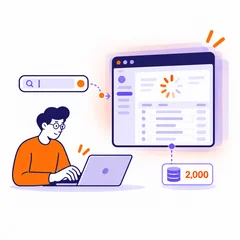
A keystroke re-renders the whole page; a table of 2,000 rows freezes a laptop. Performance was never budgeted, so it was never tested.
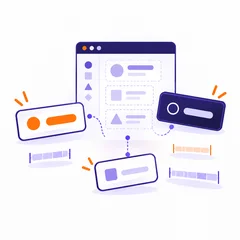
Three button components, four spacing scales and a Figma file nobody trusts. Every new screen re-decides what the last one already settled.
Every library anyone ever tried still ships to every user. Load time creeps up one release at a time until mobile users leave.

Keyboard traps, missing labels and low contrast found by a customer’s procurement team, after the contract was already on the line.

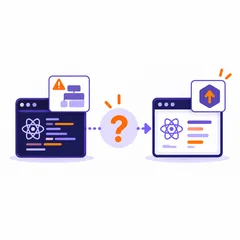
Class components, deprecated APIs and a router two majors behind. The move to React 19 stays on the backlog because no one knows what it breaks.
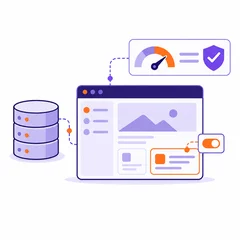
Server state lives in one data layer. UI state stays beside the component that owns it. Every key screen ships with a performance budget CI enforces — fast is something we test, not something we hope for.

React development services
SaaS apps, customer portals and dashboards in React and TypeScript, with the architecture, state model and design system decided in discovery, not discovered in month six.
Best for:Founders and product teams starting a product meant to last.

Design tokens, accessible components and Storybook documentation matched to your Figma file and shared by every team, so a new screen is assembly, not invention.
Best for:Companies running several products or teams on one UI.

Profiling, React Compiler adoption, re-render and bundle fixes, and a WCAG 2.1 AA audit with the fixes — each measured before and after.
Best for:Products where speed or an enterprise deal is now at stake.

Class components to hooks, older React to React 19, Create React App to Vite, jQuery or AngularJS to React — screen by screen, with the product live throughout.
Best for:Teams stuck on an upgrade nobody can scope.

Chat and copilot surfaces, streaming responses, human-review queues and eval dashboards: the part of an AI feature users actually touch, built to show uncertainty honestly.
Best for:Products adding AI that users have to trust.

 The widest ecosystem and hiring pool matterA library; architecture is decided in discoveryNext.js or React Router framework modeReact Native shares language, patterns and logicThe largest set of libraries and UI kits
We build in all three, and we’ll recommend against React when your team or constraints favor another framework.

How we build
Our own AI delivery platform puts your plan, your design system and your front-end rules in front of every agent before it starts — which state library, which component to reuse, which performance budget applies — and automatically checks everything it produces on every change.
Senior engineers decide what to build and how; more than 100 AI agents per engineer build inside those rules around the clock. Before release, a person watches each key user task work in a real browser and signs off against a standard agreed before the code existed. Ask for the same fix twice, and it becomes a rule every agent follows from then on.


What you get
Server data in one cache layer, UI state beside the component that owns it, so every bug has one place to live, not three.
Tokens and components matched to Figma, documented in Storybook and enforced by automatic checks, so new screens reuse instead of reinvent.
Performance budgets and accessibility checks run in CI. A screen that gets slower or loses a label doesn’t ship.
TypeScript throughout, tests beside the code, and the plan, rules and decision log as plain files in your repo — yours to keep with any team.
Why teams choose Diffco for React
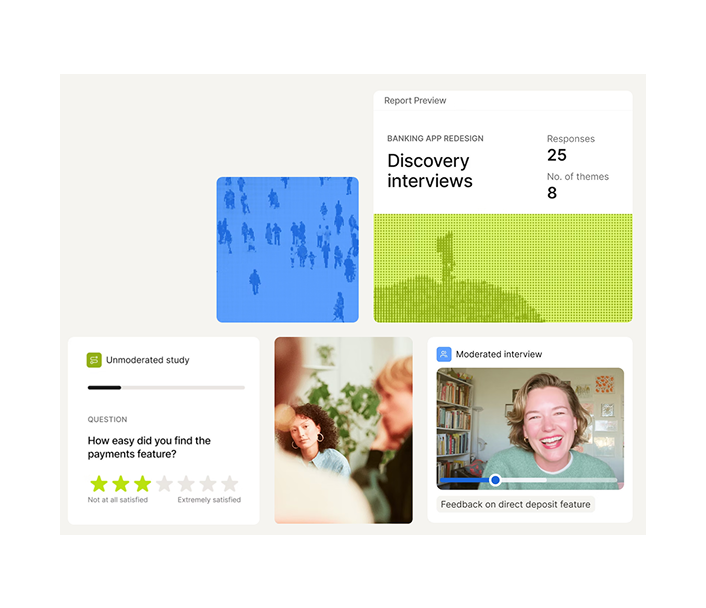
For Maze, we delivered the AI Moderator inside Maze’s own React and Next.js codebase, scope by scope, through its pull-request review, including the live interview interface rebuilt in WebGL.

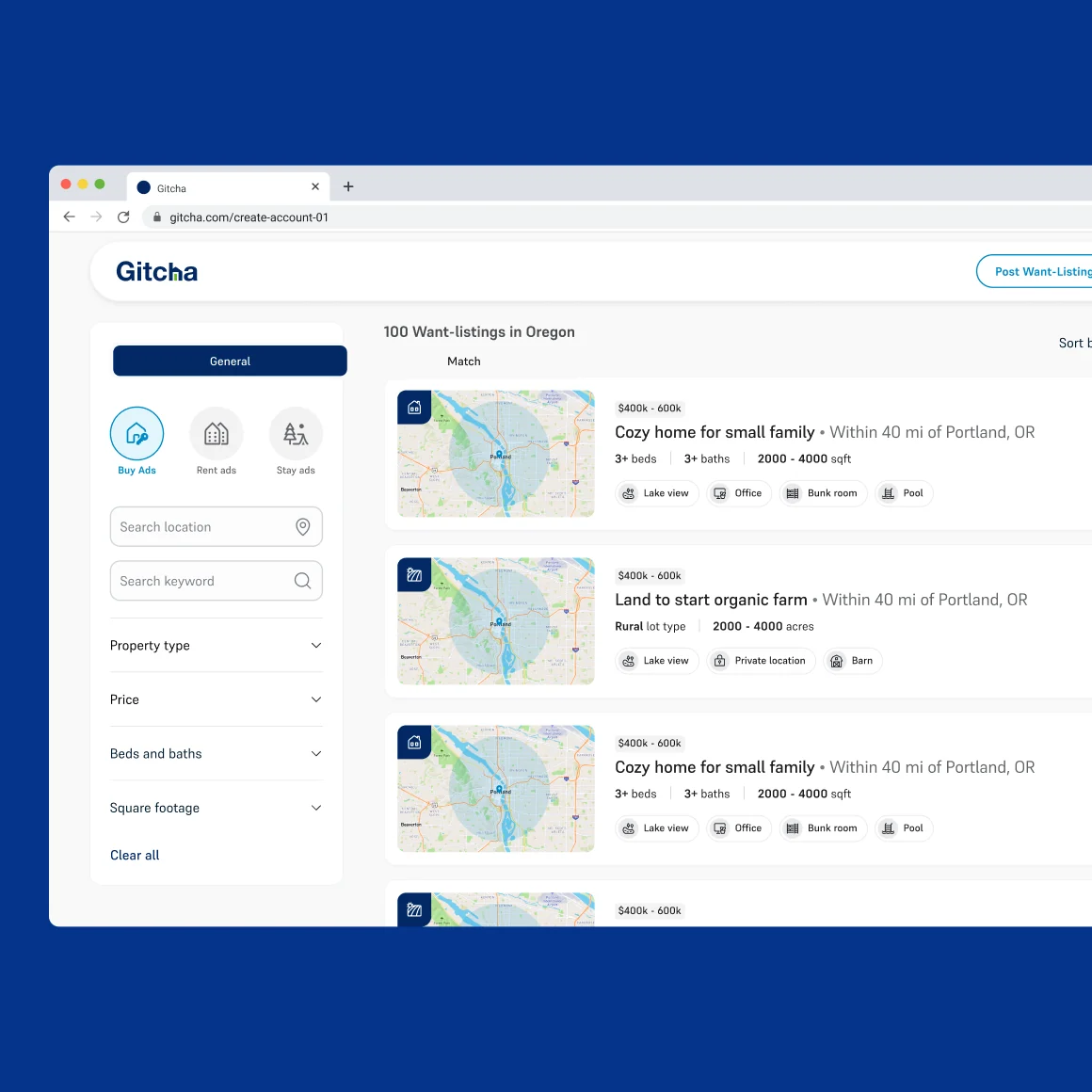
As Gitcha’s embedded team, we refactored a legacy React and Node codebase, modernized its AWS infrastructure and shipped Version 2 on time.

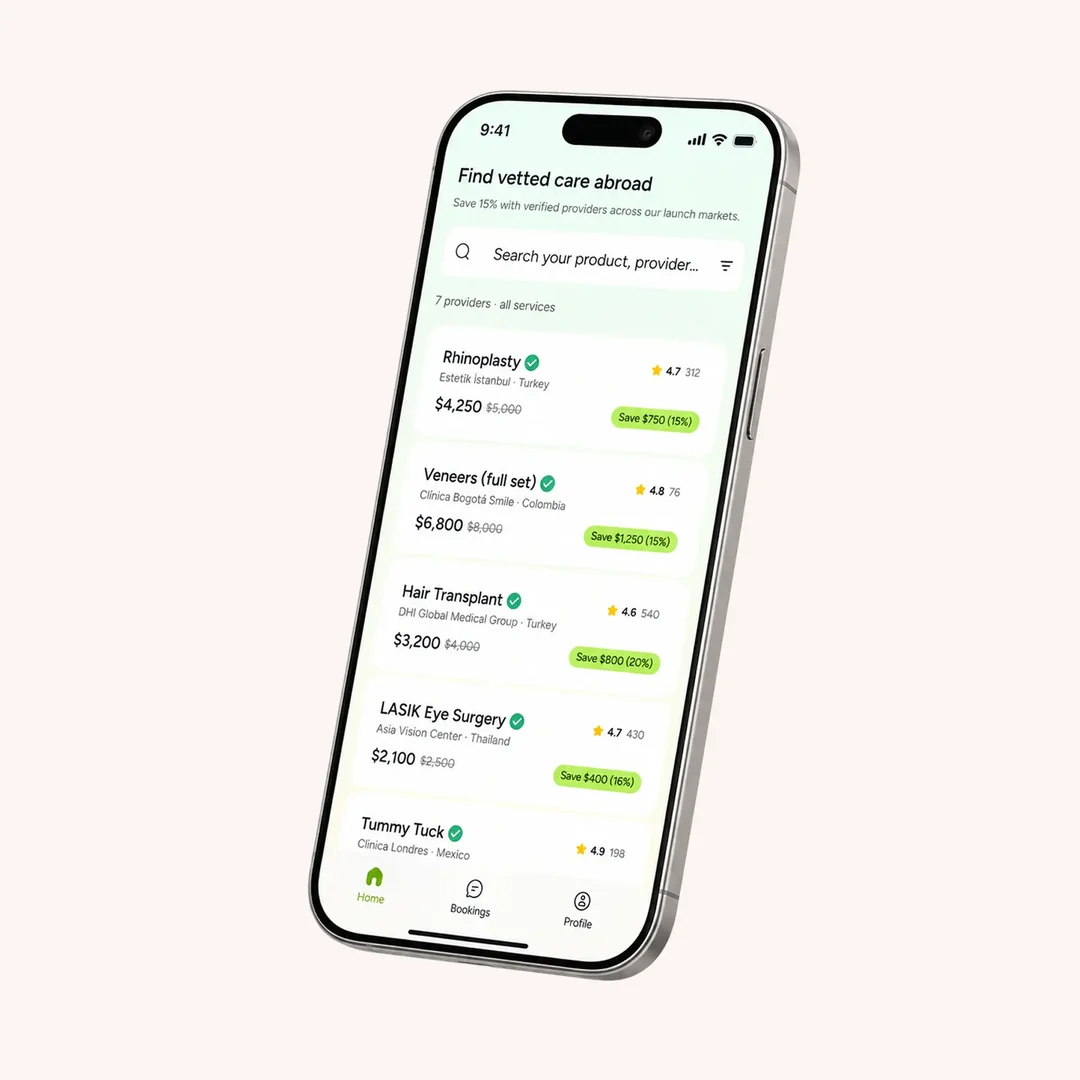
Vitality Access runs on Next.js 15 and React 19, with prices computed on the server and row-level security as the access boundary.

Senior product designers in-house, so the Figma file and the component library are the same decisions, made once.

A content site may belong on a CMS; an internal tool may not need a single-page app. We say so before you spend.
The engineer who designs your component architecture is the engineer who ships it — in Pacific time, with an office you can visit.

Sales tools · SaaS

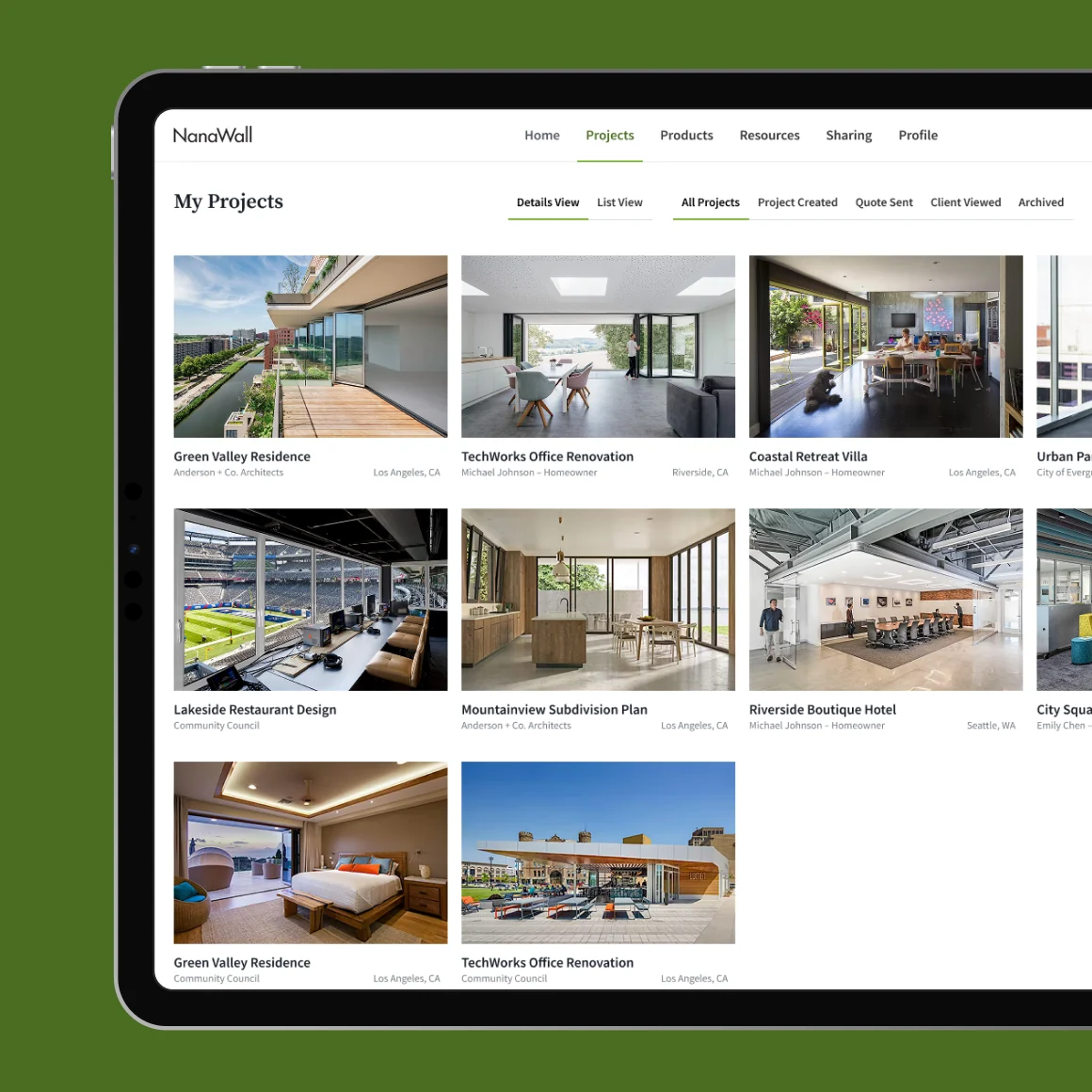
NanaWall makes moving glass wall systems for homes, offices and commercial spaces. Diffco develops its next-generation sales applications: an iPad app its teams use to configure, showcase and track projects, and the client web app where customers follow their own.
Two ways to start

One to two weeks. A senior front-end architect, with agents reading the whole codebase, profiles your slowest screens, maps state and data flow, audits accessibility and bundle size, and delivers ranked fixes with an estimate given as a range.
 Fixed price, agreed up frontEvery finding ranked, with its fix and its effortThe report is yours — use it with any team, including your own
Discovery in a few days to two weeks; a clickable walkthrough within the first weeks; working screens soon after. Senior engineers decide, agents build inside the plan, a person signs off in a real browser. Monthly team allocation or a fixed scope after discovery.
Estimate given as a range with its open questionsThe plan and the design system are yours from week oneHandover with runbooks and a codebase you can readWhat we bring
 React
React TypeScript
 JavaScript
 Vite
Vite Next.js
 React Router
 TanStack Query
 Redux Toolkit
 Zustand
 GraphQL
 Apollo
 tRPC
tRPC Tailwind CSS
 Material UI
 shadcn/ui
 Radix UI
 Storybook
 Figma
Figma OpenAI
 Anthropic
 Vercel AI SDK
 Streaming UI
 Eval dashboards
 Jest
Jest Vitest
 React Testing Library
 Playwright
 axe
axe Lighthouse CI
 Sentry





Explore our
amazing case studies

Because the architecture is decided before anything is built. Senior engineers set the state model, design system and performance budgets; AI agents build inside that plan; a person checks each key screen in a real browser before release. Fast delivery, and a codebase your team can still change a year later.
It depends on where the app lives. React with Vite fits products behind a login: dashboards, portals, internal tools. Next.js fits products that need server rendering, Server Components or SEO. We decide in discovery and write the reason down.
Yes. We start with a short audit — state, data fetching, component structure, test coverage — then fix, refactor or rebuild screen by screen while the product stays live. We’ve inherited everything from class-component apps to prototypes generated in a weekend.
With budgets, not promises. Each key screen gets a load-time and bundle-size budget agreed up front, CI checks it on every pull request, and a screen that gets slower doesn’t ship. Fixes are measured before and after, on real traffic where possible.
It’s designed in, not audited in at the end. We build to WCAG 2.1 AA, run automated checks on every change, and do manual keyboard and screen-reader passes before release — so an enterprise buyer’s review finds evidence, not surprises.
Yes. We scope the upgrade first — deprecated APIs, libraries that block it, test coverage — then move in slices behind the running product. The React team deprecated Create React App in 2025; most apps move to Vite or Next.js, and adopt the React Compiler on the way.
Either. We have senior product designers in-house, or we work with your design team and turn its Figma file into a component library both sides trust.
A front-end audit takes one to two weeks. A focused product or a single product area is estimated in discovery, as a range with the open questions that make it wide; larger platforms ship in usable releases, with a clickable walkthrough in the first weeks.
Engagements start with a fixed-price audit or discovery, agreed up front. Builds run on a monthly team allocation or a fixed scope after discovery, with the estimate given as a range and the open questions that make it wide.
Yes. A monthly allocation of senior React engineers who work in your repo, sprints and review process, directed by your leads, with our platform and an architect behind them.
You do — the code, the component library, and the plan, rules and decision log, kept as plain files in your repo from the first commit and yours to take to any team.
 Vibe Code RescueYour Lovable, Bolt, Replit or Cursor prototype worked. Our senior engineers stabilize, harden or rebuild it for production.
 Claude Code DevelopmentOur AI delivery platform runs on Claude Code. We build with it, and we set your team up on it.
 Fintech Software DevelopmentPayments, banking platforms, fund accounting and receipt AI, built where money correctness comes first.
 Web DevelopmentModern websites and web apps engineered by senior teams directing AI agents.
 Mobile DevelopmentNative iOS and Android apps, with AI features built in, designed for real users from the first release.
 AI & ML DevelopmentML, RAG, computer vision, and copilots, engineered to production standards with Production-Ready AI Engineering.
 Custom Software DevelopmentWeb apps, platforms, and internal tools, built in weeks instead of months, from PoC to production.
333 W San Carlos St Suite 600, San Jose, CA, USA, 95110