
Stuck in App Review
Missing review notes, unexplained permissions, an internal app sent for public release. Each rejection costs days. We prepare for review from day one.
Diffco builds iPhone and iPad apps in Swift and SwiftUI: consumer apps, internal tools for your staff, and apps that talk to hardware. We also take over existing apps. Senior engineers set the architecture; AI agents build within it; a person tests every key flow on real devices before release and before every update going to production.
Senior engineers. Native Swift by default. App Store submissions handled end to end.
Products we developed are used by






Diffco turned our concept into a polished product from scratch, delivering on a tight timeline. Clear communication, organized project management, and a strong mix of creativity and technical expertise produced an app that exceeded our vision.

 Mason MeninCo-founder at WYA Group, Inc.
Their commitment to excellence ensures our platform remains robust and adaptable to our evolving needs. With their expertise, we've successfully enhanced our offerings, making our collaboration highly effective.

 Pete GualfettiHead of Design and Integration at Good2Go
We were impressed by Diffco's approach to the development process and how they engineer new solutions. They look ahead, learn about your product and strategy, and develop sophisticated, highly functional solutions.

 Stas TushinskiyCEO & Co-founder at Instreamatic
Diffco supplied us with the skilled engineers we needed to meet our ambitious goals. Their account manager proactively addressed concerns, ensuring our expectations were met.
 Razvan SpatariuSenior Software Engineering Manager at Multiverse
Diffco took on a complex financial system build for us — the kind of work that touches fund accounting and compliance, where there’s no margin for error — and they delivered. They helped us shape our AI product strategy rather than just executing tickets. Real ownership of the outcome.
 Adam HooksCEO at Vero K12
Diffco handled discovery for two complex health tech AI products for us. They’re technically sharp, honest about what’s actually worth building, and easy to work with. They moved fast without cutting corners and understood the healthcare space. Highly recommend.
 Mark MagazuPrincipal at M3 Veterinary Innovation Advisors
Diffco's expertise and engineering approach increase the reliability and efficiency of our IoT infrastructure. Diffco has proven to be a reliable partner with exceptional expertise. I highly recommend their services.
 David C ThompsonSenior Digital Initiatives director at ChemTreat
The quality and consistency of the team make Diffco stand out from other vendors.
 Art DanielovCEO at Flashgrid
They were communicative, consultative, and helpful. They went above and beyond all the way. What an amazing team. I will work with them again and again.

 Don MarklandCEO at Accountability Now
Where iOS apps go wrong
Most iOS problems skip the demo. They show up in App Review, on real devices and networks, in the next iOS release, and when the team moves on.
Missing review notes, unexplained permissions, an internal app sent for public release. Each rejection costs days. We prepare for review from day one.
Privacy manifests, tracking prompts and App Store labels written the night before submission. We map every data flow before the build.
A crash on an older iPhone, a memory spike in a long session, no logs. We add crash reporting and test on the oldest iOS you support.

It works in the office and fails in a basement or on a plane, and sync overwrites what users typed. So we design offline and sync before the screens.
Completion handlers, shared mutable state, warnings switched off. Swift 6 mode turns them into errors. We move one module at a time, and the app keeps shipping.
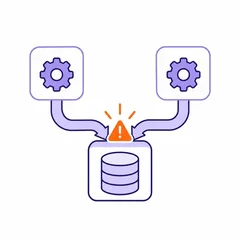
No documentation, no tests, and the signing certificates expire next month. We start with an audit and get the build working again.
From demo to product, on real phones
Every key flow is tested on real devices, on weak networks and on the oldest iOS version you support, before submission, not after the first one-star review. App Review is a checklist we work to from day one.

iOS app development services
Native apps in Swift and SwiftUI, from design through TestFlight to App Store release, with the architecture and data model decided in discovery.
Best for:Founders and product teams launching on iOS first.
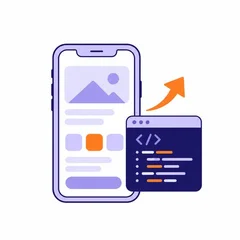
Sales, field and operations apps for your staff, connected to your systems and shipped through the right Apple channel: unlisted, custom or in-house.
Best for:Companies putting a tool in employees’ hands.
Bluetooth and Wi-Fi device apps, low-latency audio and video streaming, and companion apps for connected products, where milliseconds matter.
Best for:IoT, audio and consumer-hardware companies.
Apps another team left behind: faults reproduced before they’re fixed, builds and certificates recovered, Objective-C moved to Swift where it pays.
Best for:Products whose original team is gone.
On-device AI with Apple’s Foundation Models framework, App Intents and Core ML, camera and voice features, and cloud models where needed.
Best for:Apps adding AI that has to be fast and private.
Choosing the approach
 iOS is core, or the app leans on Apple hardwareAvailable on release dayExactly what iOS users expectBest for graphics, audio, video and hardwareA separate app, or shared code via Kotlin MultiplatformTwo apps to fund if you need Android
We build all three, and we’ll recommend cross-platform when you need Android on the same date and budget.

How we build
Our own AI delivery platform puts your plan, your design system and your iOS rules in front of every agent before it starts: the oldest iOS version you support, which data stays on the device, what App Review requires. It checks everything it produces on every change.
Senior engineers decide what to build and how; more than 100 AI agents per engineer build inside those rules around the clock. Before release, a person runs each key flow on real iPhones and iPads, on weak networks and older iOS versions, and signs off against a standard agreed before the code existed.


What you get
SwiftUI and UIKit each used where they fit, with Dynamic Type, VoiceOver and dark mode handled: the details iOS users notice when they’re missing.
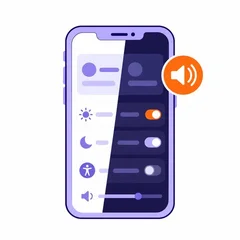
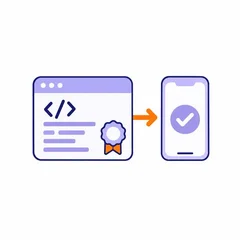
Automated builds, code signing and TestFlight distribution, with App Review notes and privacy details prepared for every submission.
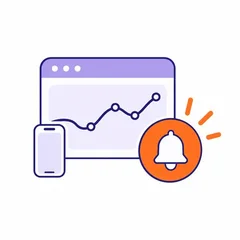
Crash reporting, performance monitoring and logs from real devices, with alerts that fire before your ratings move.
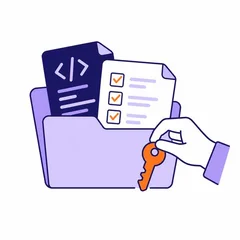
The Swift codebase, tests, certificates and App Store Connect access in your name, plus the plan, rules and decision log as plain files in your repo.
Why teams choose Diffco for iOS
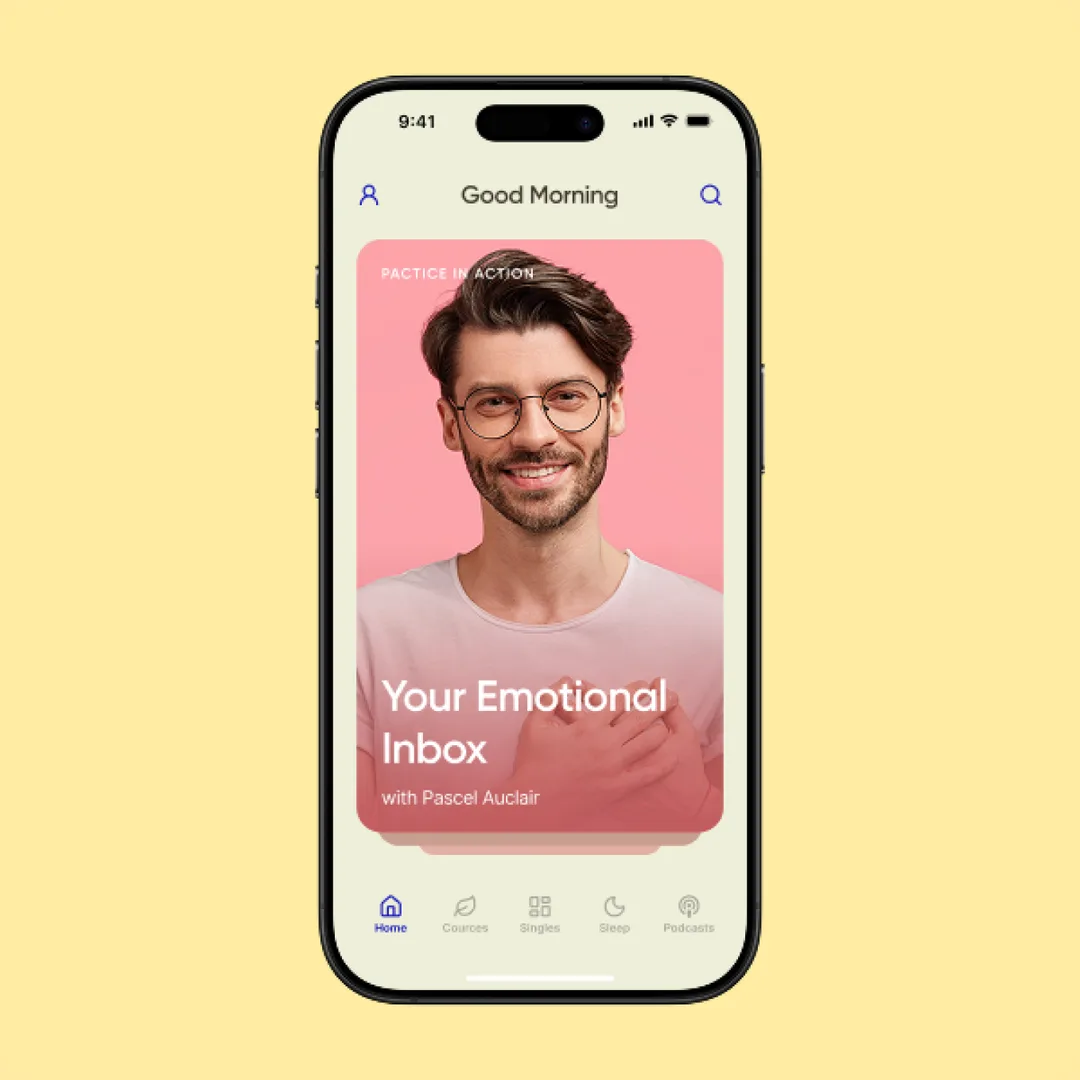
When Happier Meditation’s team changed, we took over its iOS and Android apps, kept them running and handled App Store releases end to end.

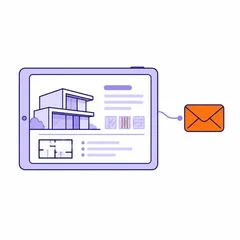
NanaWall’s iPad app lets its sales team present projects, products and specifications to clients, alongside a web app for those clients.
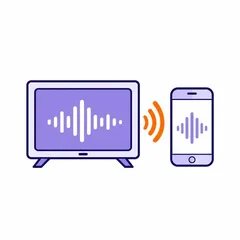
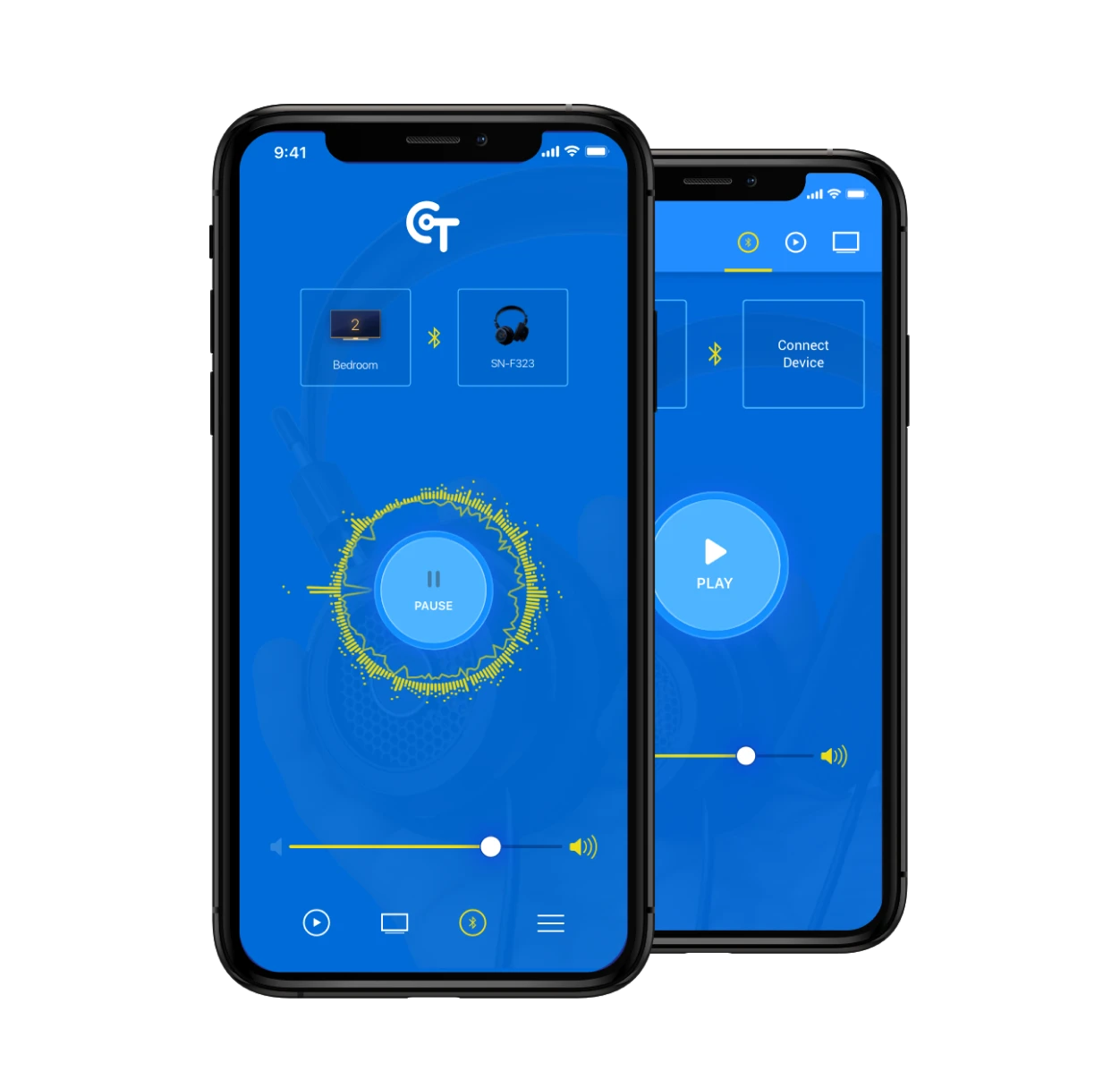
Clovitek’s TV audio over Wi-Fi and iSeeU’s in-car video both needed a custom low-latency protocol. We built the protocol and the apps.
WYA’s native iOS MVP reached the App Store within three months of the idea. The speed comes from deciding early, not from cutting review.
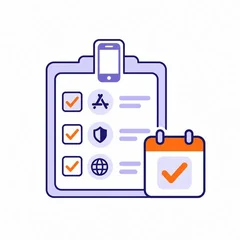
Review notes, demo accounts, privacy details and the right distribution channel are settled before the first submission, not the night before.
The engineer who designs your app’s architecture is the engineer who ships it.
Engineering takeover · Consumer

Happier Meditation, formerly Ten Percent Happier, runs native iOS and Android apps on a Rails back end. Through a major organizational transition, Diffco took over engineering, kept the top-rated app running and handled App Store submissions end to end.
Two ways to start

One to two weeks. A senior iOS architect, with agents reading the codebase, crash reports and release setup, reviews architecture, performance, privacy and App Review readiness, then delivers ranked fixes with an estimate given as a range.
 Fixed price, agreed up frontCovers code, crashes, certificates and App Store Connect setupThe report is yours. Use it with any team, including your own

Discovery in a few days to two weeks; a clickable prototype within the first weeks; TestFlight builds soon after. Senior engineers decide, agents build inside the plan, a person signs off on real devices. Monthly team allocation or a fixed scope after discovery.
Estimate given as a range with its open questionsApple developer account and certificates in your name from day oneHandover with runbooks and a codebase you can readWhat we bring
 Swift
 SwiftUI
 UIKit
 Objective-CSwift Concurrency
 Combine
 SwiftData
 Core Data
 CloudKit
 StoreKit
 HealthKit
 Core Bluetooth
 AVFoundation
 MapKit
 Foundation Models
 Core ML
 Vision
 Speech
 Xcode
 XCTest
 Swift Testing
 TestFlight
 Xcode Cloud
 Fastlane
 Crashlytics
 Sentry
 Node.js
 Firebase
 Stripe
 OpenAI
 Anthropic





Explore our
amazing case studies

Because the hard parts are decided first: architecture, offline behavior, privacy and App Review. Senior engineers set the plan; AI agents build inside it; a person tests every key flow on real devices before release. That’s how an app survives its first iOS update and its first thousand users.
Native Swift when iOS is central to the business, when you depend on Apple hardware or new APIs, or when performance is the product. React Native or Flutter when one codebase for both platforms matters more. We recommend in discovery and write the reason down.
Yes, end to end: developer account setup, certificates, TestFlight, review notes, privacy details and responses to App Review. For Happier Meditation, we handled App Store submissions end to end.
Yes. We start with an audit (build health, certificates, crash reports, architecture and test coverage) and reproduce faults before fixing them. Happier Meditation’s apps moved to Diffco during a major team transition.
Usually the current major version and one or two before it, decided from your analytics rather than habit. Supporting older versions costs testing time, so we show you the trade-off in users and effort before you choose.
Yes. Internal apps go through the right Apple channel: unlisted App Store distribution, custom apps through Apple Business Manager, or in-house distribution where you qualify. We choose it before the build, so review doesn’t send you back to the start.
Yes. Apple’s Foundation Models framework runs a language model on the device, on supported hardware: fast, private, with no per-call cost. Where it isn’t enough, we call cloud models through your back end, with evals and limits on every call.
Each September Apple ships a new iOS, and by the following spring App Store uploads must be built with its SDK. We test on the betas from June and fix what breaks before your users see it.
Yes. We build native Android in Kotlin, cross-platform apps in React Native and Flutter, and the back ends behind them: one team, one plan, no hand-offs between vendors.
Focused apps can reach the App Store in about three months: WYA’s MVP did. Larger products ship in releases, with a clickable prototype in the first weeks and TestFlight builds soon after.
Engagements start with a fixed-price audit or discovery, agreed up front. Builds run on a monthly team allocation or a fixed scope after discovery, with the estimate given as a range and the open questions that make it wide.
You do. The Apple developer account, certificates and App Store listing are in your name from day one, and the code, plan, rules and decision log are kept in your repo.
 React DevelopmentSenior React engineers build fast, accessible front ends: new products, takeovers and React 19 upgrades.
 Node.js DevelopmentSenior engineers build Node.js APIs and real-time services in TypeScript, and take over the ones that have grown hard to change.
 Vibe Code RescueYour Lovable, Bolt, Replit or Cursor prototype worked. Our senior engineers stabilize, harden or rebuild it for production.
 Mobile DevelopmentNative iOS and Android apps, with AI features built in, designed for real users from the first release.
 AI & ML DevelopmentML, RAG, computer vision, and copilots, engineered to production standards with Production-Ready AI Engineering.
 Custom Software DevelopmentWeb apps, platforms, and internal tools, built in weeks instead of months, from PoC to production.

333 W San Carlos St Suite 600, San Jose, CA, USA, 95110